AI Camera: Photography Simplified by Intelligence
- Niwwrd

- Oct 7, 2025
- 2 min read

In a time when everyone has access to powerful smartphone cameras but not everyone can use them effectively, the AI Camera concept from INSPIRE CURVE rethinks how people approach photography. Designed by Yuxiong Dong, Yongde Zhu, and Yaoxin Cai, the project aims to make taking great photos simple, intuitive, and enjoyable.
Design Vision
The AI Camera focuses on clarity and usability. Its soft geometric form, smooth surfaces, and metallic finish give it a refined, balanced look. Every design decision is driven by the goal of making photography effortless without compromising quality.
Instead of the usual complex menus, the AI Camera introduces four intelligent modes:
Full Auto: Handles exposure, focus, and lighting automatically.
Intelligent Composition: Suggests framing and balance for better visual results.
Creative Filters: Adds unique visual styles while preserving photo quality.
Voice-Guided Shooting: Lets users operate the camera through voice commands.
For self-portraits, the lens automatically rotates to face the user, removing the need for manual adjustments.
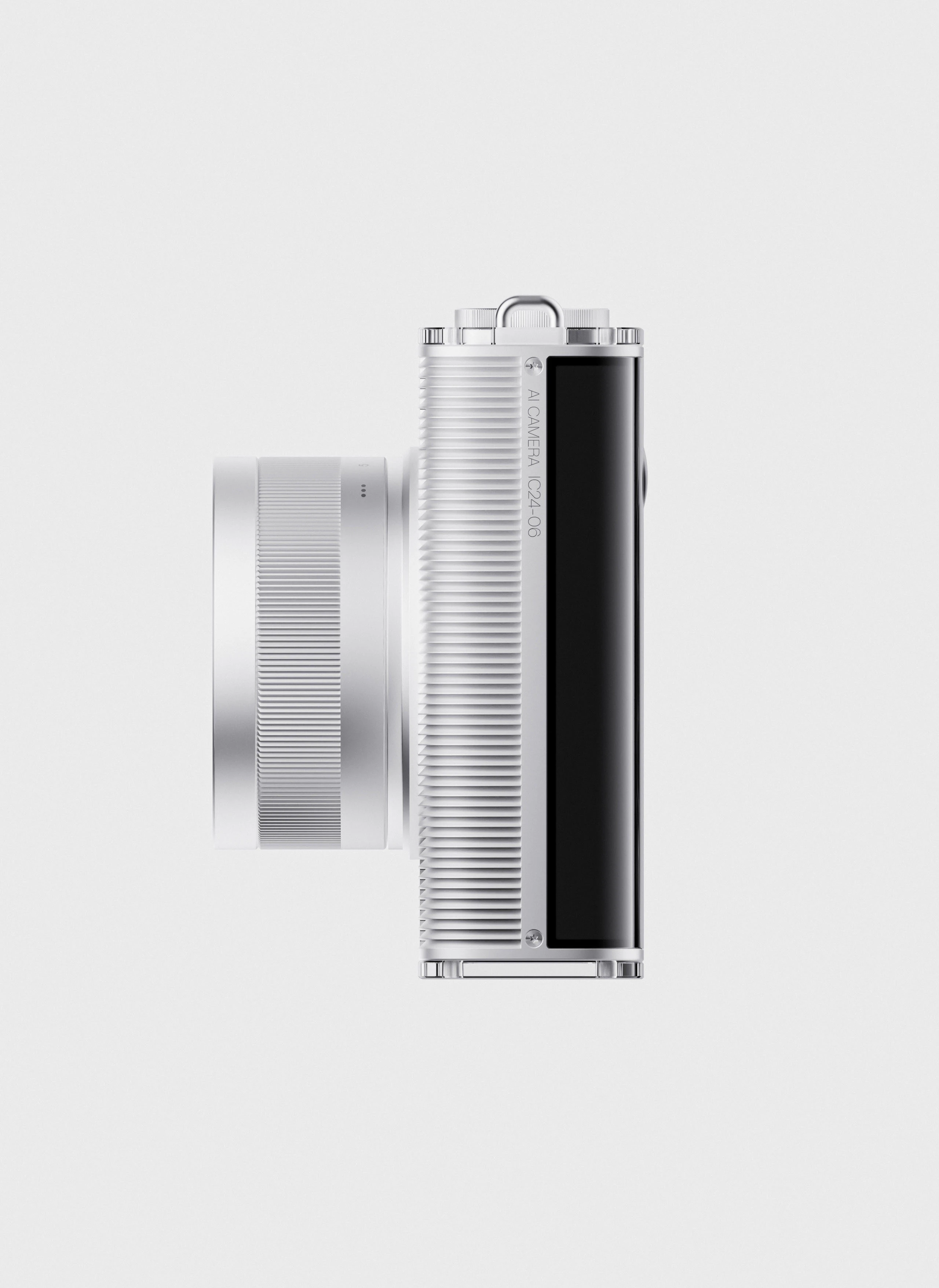


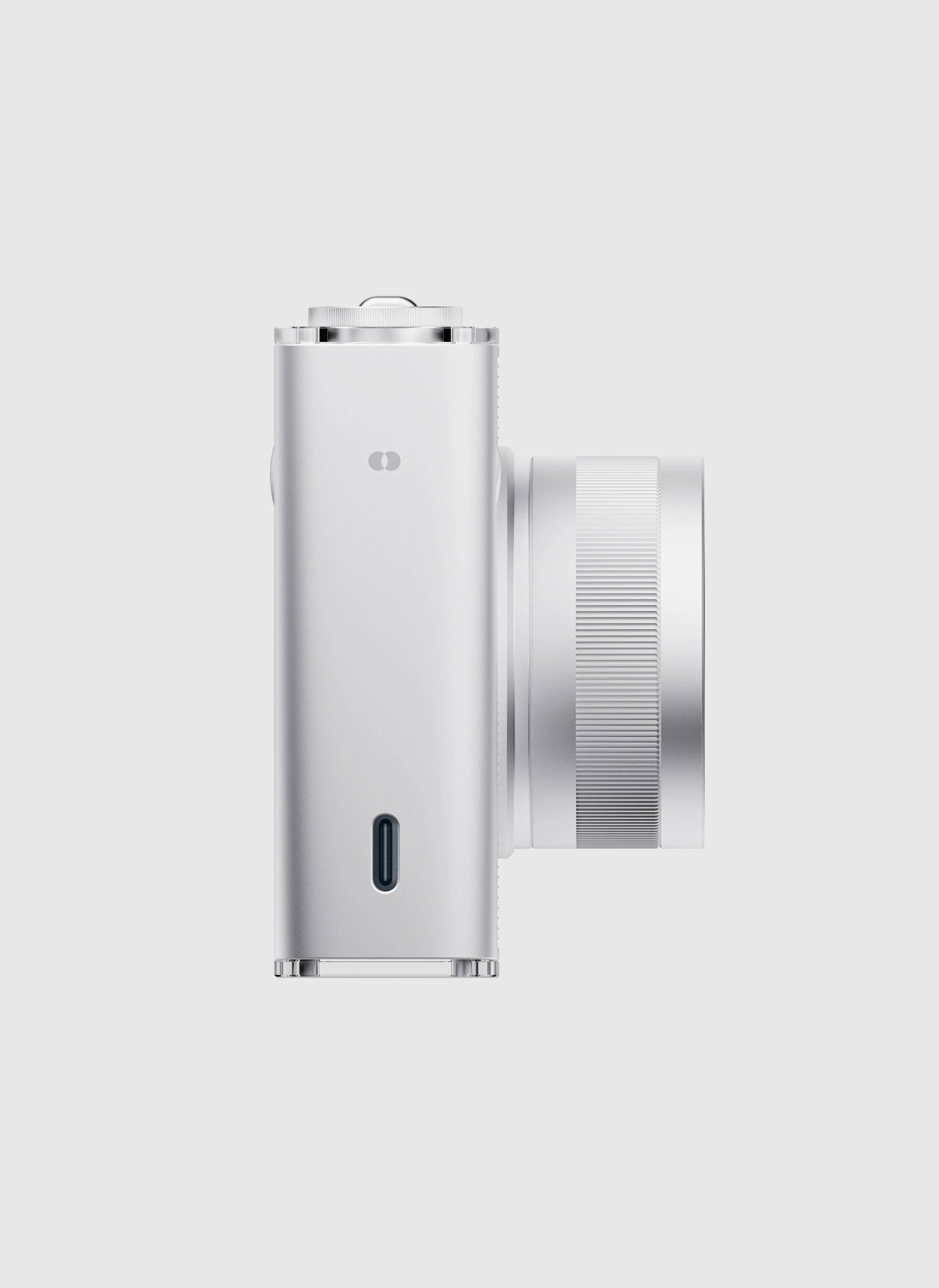


Purpose and Impact
Photography often demands technical understanding of exposure, composition, and lighting. The AI Camera challenges that barrier by using intelligent software to assist users in real time. It focuses on helping people create well-composed, high-quality images without requiring professional knowledge.
The concept emphasizes accessibility. It enables beginners to take well-framed photos and gives experienced users a more efficient creative tool. By combining AI technology with thoughtful industrial design, it bridges the gap between automation and artistry.

Strengths and Considerations
Strengths
Makes advanced photography accessible to everyone.
Keeps user control while offering intelligent guidance.
Clean, functional design that supports the experience.
Adaptive features suited for both casual and creative use.
Considerations
Real-time AI processing requires strong hardware and optimization.
Battery and performance efficiency must be balanced carefully.
Users should have the option to override AI decisions when needed.
Market success would depend on pricing and differentiation from smartphones.
Conclusion
The AI Camera reimagines how people interact with cameras. It combines advanced intelligence with human-centered design, making the process of capturing good photos easier and more intuitive. By removing technical barriers, it invites more people to express creativity confidently.


Comments